Staging with Kids: How to Create a Buyer-Ready Room Without Losing the "Magic".
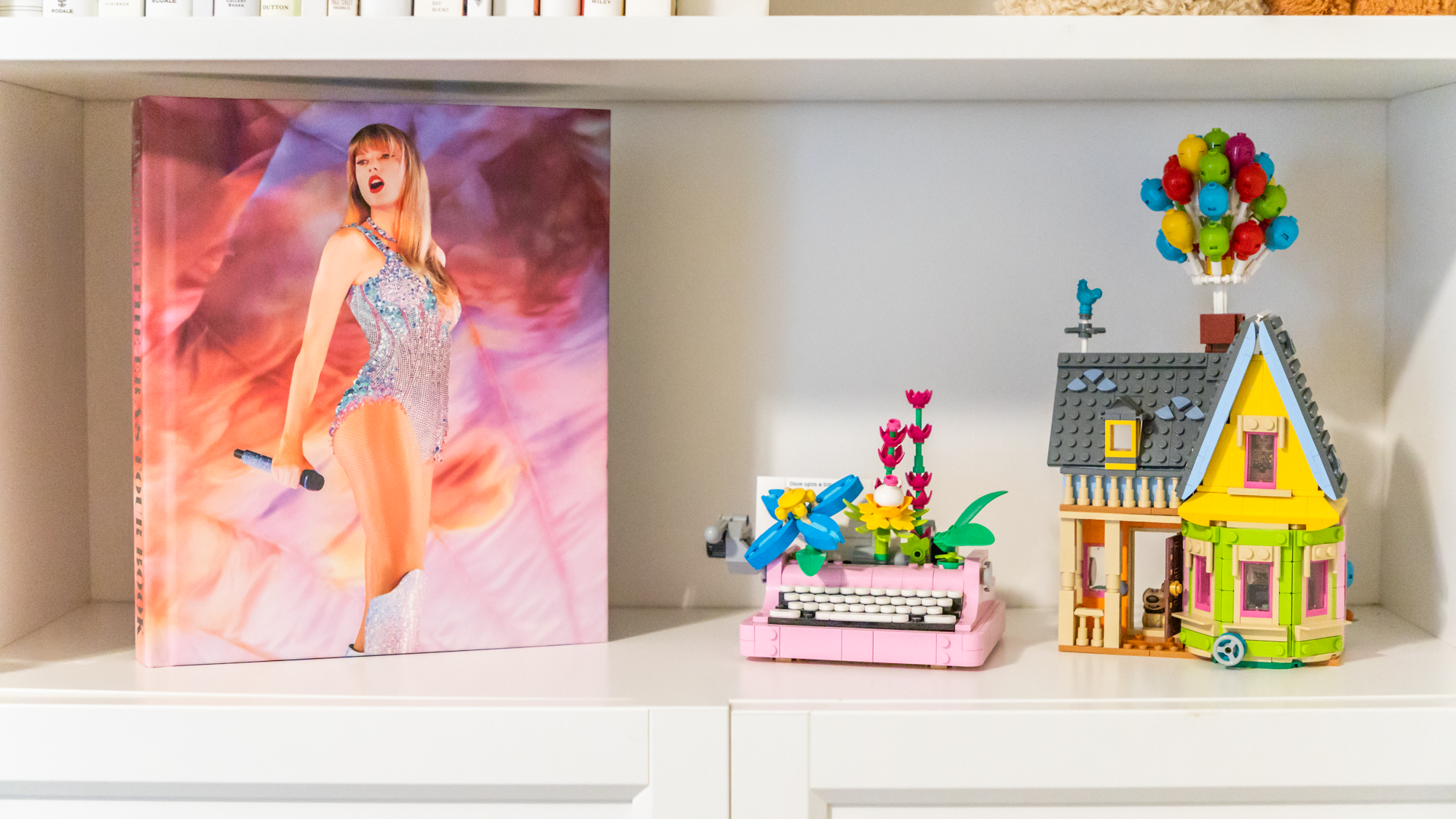
One of the most common questions I get from parents is: "How am I supposed to stage my child’s room when they actually have to live and play in it?"
It’s a valid concern. Kids need their "comfort items"—their favorite stuffed animals, that specific Lego set, and a space that feels safe. The good news? Occupied home staging isn’t about erasing the fact that a family lives in the home; it’s about refining the space so buyers can see the square footage and the "dream" of a nursery or playroom.
Here is how we use the "Art of the Edit" to keep your kids comfortable while making their rooms market-ready.
1. The Strategy of "Visual Softening"
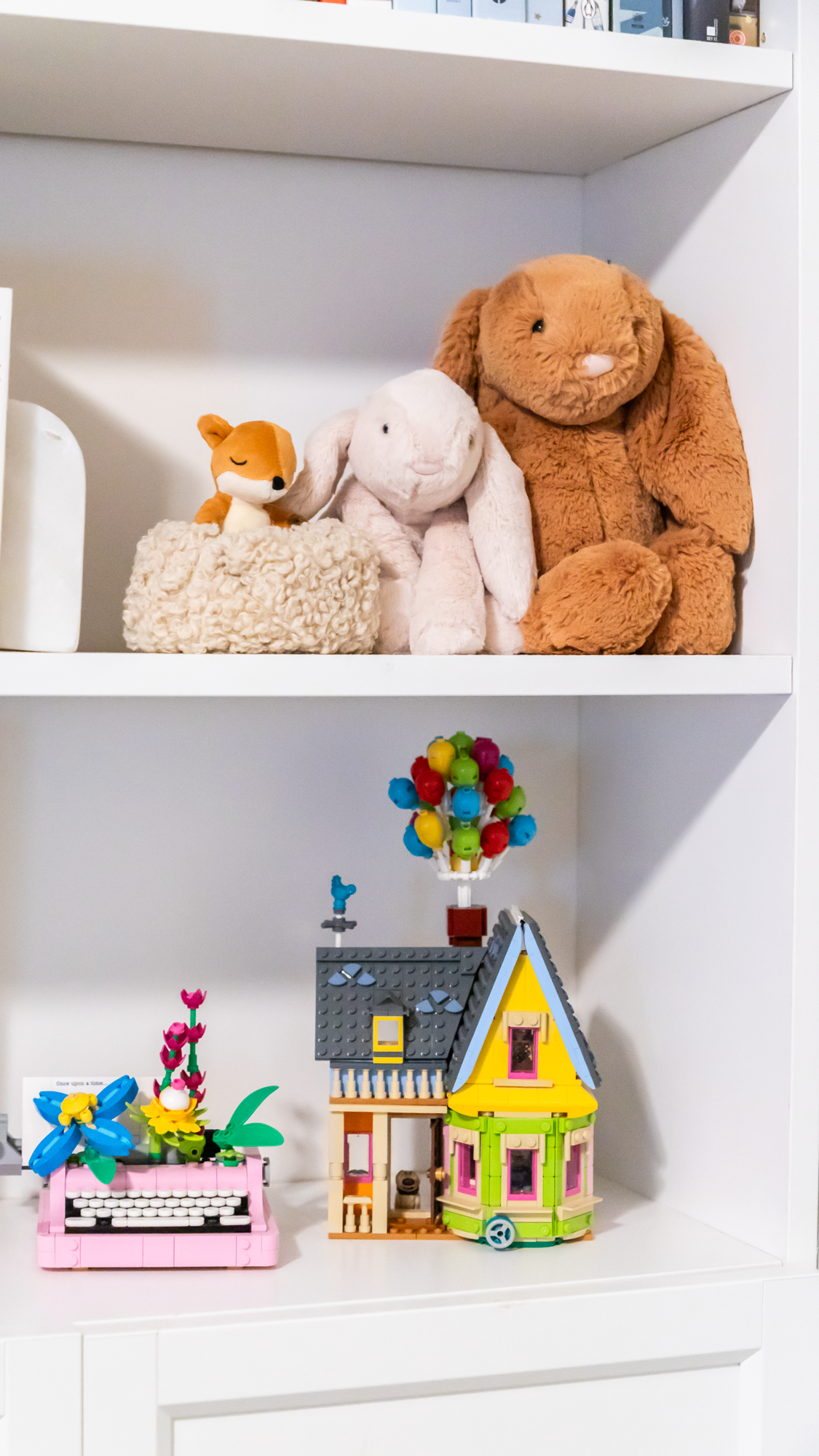
In a child's room, we often deal with "visual noise"—bright primary colors, busy patterns, and a lot of small plastic pieces. To a buyer, this can make a room feel smaller than it is. We "soften" the space by:
The 70/30 Rule: We keep out about 30% of their favorite, most aesthetic toys and tuck the rest away in bins.
Neutralizing the Palette: We might swap a character-themed comforter for a simple, soft neutral one, then add their favorite colorful pillow back on top. It feels "grown-up" to the buyer but still "comfy" to the child.
2. "Zoning" the Play
Instead of toys being scattered everywhere, we create specific "zones."
The Reading Nook: A few favorite books and a floor pillow.
The Creative Corner: One organized bin of Legos or art supplies. When toys have a "home," the room feels intentional and organized to a buyer, rather than overwhelmed by "stuff."
3. Creating a "Quick-Clear" System
As an occupied stager, I help parents set up a 5-minute reset. This involves choosing beautiful baskets or under-bed storage that can swallow up a mess right before a showing. We keep the "must-have" sentimental toys accessible, but in a way that looks curated to the camera.
4. Highlighting the Square Footage
Buyers pay for space. By editing the floor plan—perhaps moving a large toy chest or a play tent—we show off the room's actual size. My background in interior photography allows me to see the room through the buyer's eyes, ensuring the photos look spacious and light-filled.
The Compassionate Approach
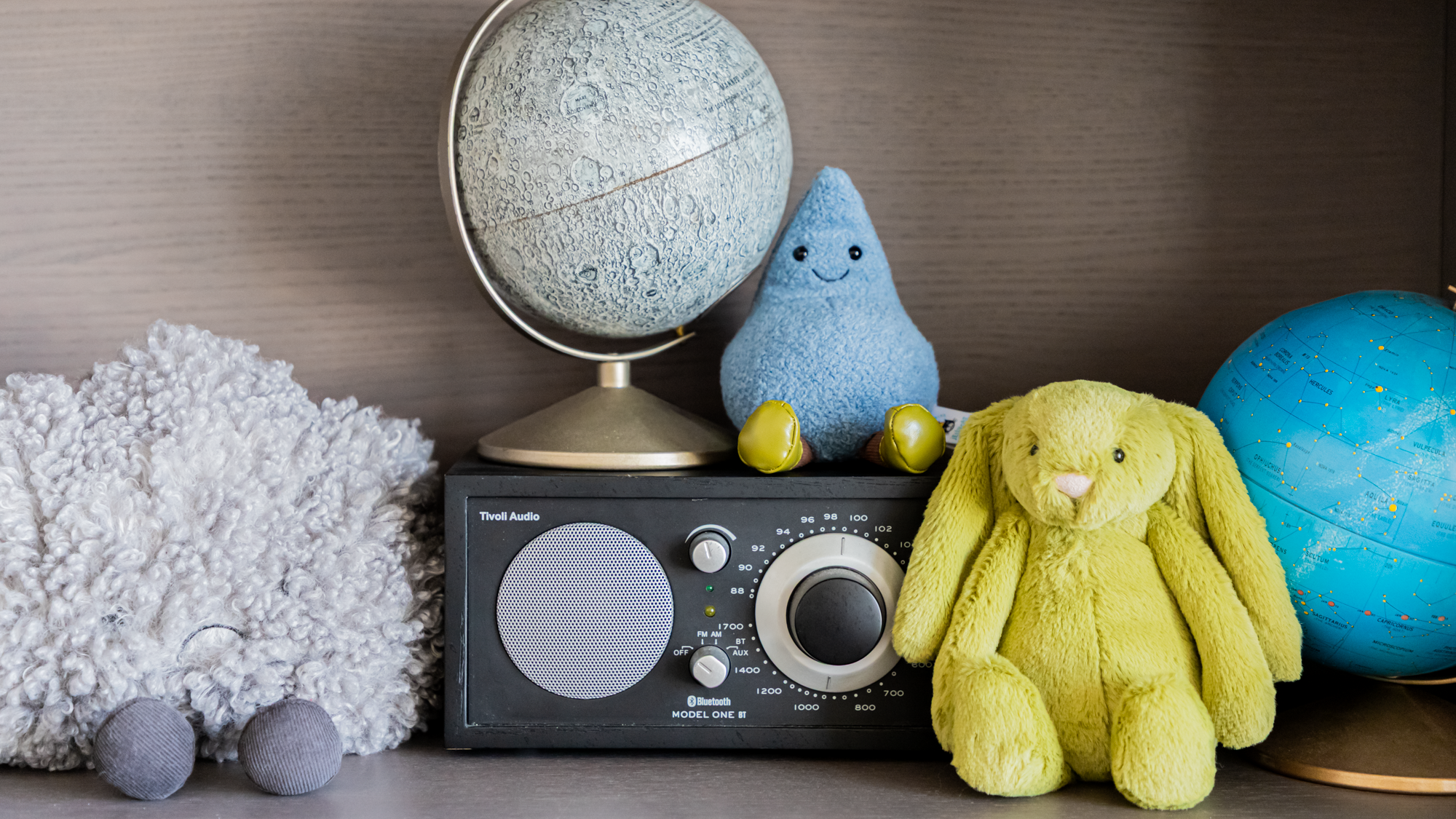
Moving is a big transition for little ones. My approach is never to just "get rid of things." Drawing on my 15+ years of experience with Murphy’s Design, I understand that a home is a place for memories. We work together to honor your child’s needs while optimizing the home's value.
Ready to sell your family home?
You don’t have to choose between your child’s comfort and a successful sale. Whether you’re in Lynchburg or Northern Virginia, I specialize in making your lived-in home look like a dream listing.